




.webp?width=387&height=387&name=headless-tprm%20(1).webp)


































Headless TPRM
ComplyScore® Launches World’s First Headless TPRM, Bringing Conversational AI to Compliance Management. 
ComplyScore® Launches World’s First Headless TPRM, Bringing Conversational AI to Compliance Management.




5 min read | Last Updated: 11 Sep, 2026
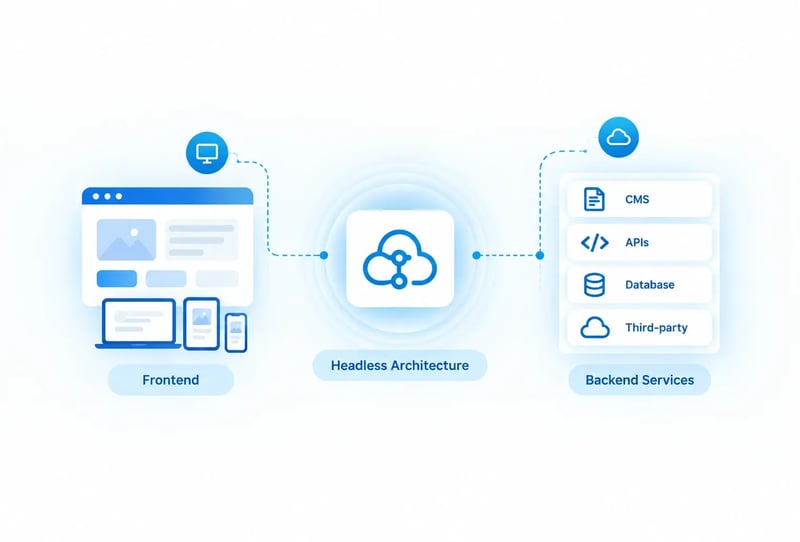
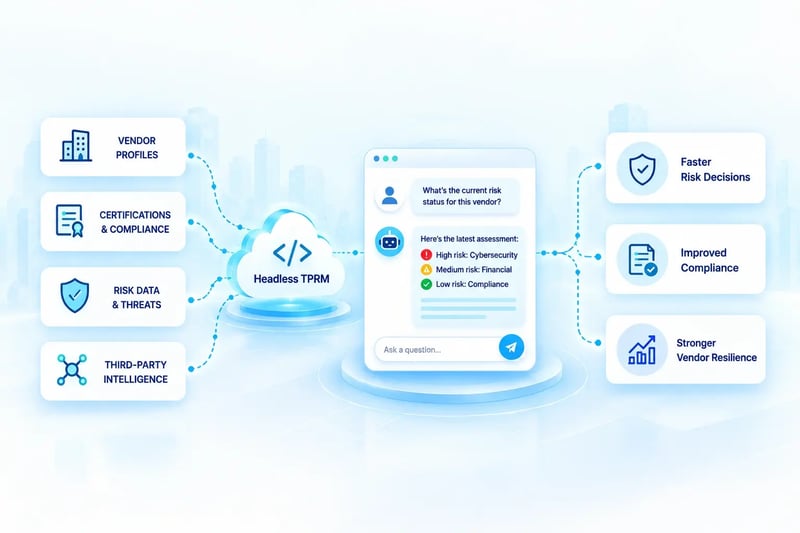
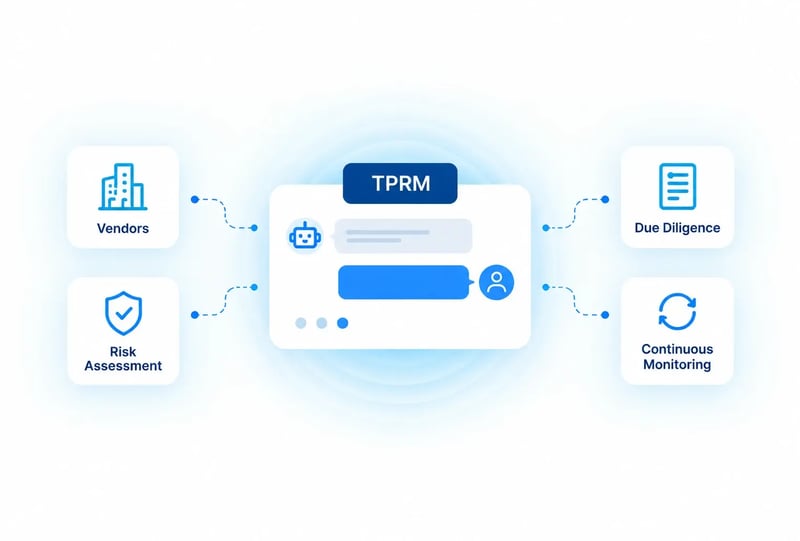
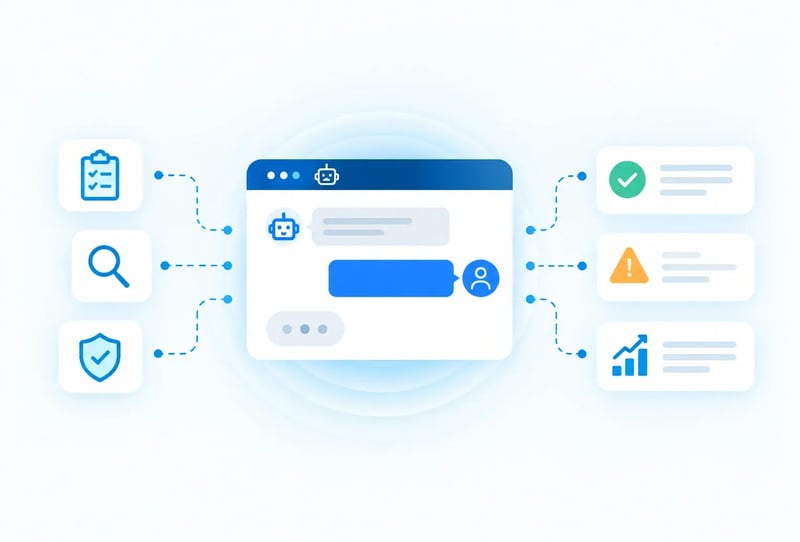
Self-assessment through headless architecture is a chat and API interface for internal compliance posture. It lets teams ask about cloud controls, data flows, consent practices, and breach readiness directly, and get current answers pulled from live records, instead of searching a dashboard or reconstructing evidence from scratch.
Most compliance gaps don't appear the week before an audit. They form months earlier, quietly, while nobody's looking closely. A data flow mapped accurately eighteen months ago rarely still matches how a team actually handles that data today. Access permissions granted for one project outlive the project itself. None of this happens because anyone was careless. It happens because between review cycles, nobody was specifically watching for the moment reality drifted away from what was documented.
Vendor risk work is triggered by events, a new deal, a renewal, an onboarding deadline. Internal compliance posture doesn't have that same rhythm. Nothing forces anyone to check whether a control still matches its declared configuration, or whether a consent mechanism still lines up with what a privacy notice promises. Without a trigger, checking tends to happen only when something external forces it, an audit, a regulator's request, a customer's due diligence questionnaire, by which point whatever drifted has usually been drifted for a while.
That's the specific gap headless self-assessment was built to close. Instead of waiting for an external trigger to prompt a review, a team can ask about current posture at any point, the same way they'd ask a colleague sitting next to them, and get an answer grounded in what's actually configured right now, not what was documented at the last formal review.
Ask whether a specific cloud control was verified against its standard this month, and the system checks current configuration and confirms, rather than pointing toward a policy document describing what should be true. Ask whether a business unit's data handling still matches its declared purpose, and the system compares what's actually happening against what was originally authorized, surfacing any mismatch directly.
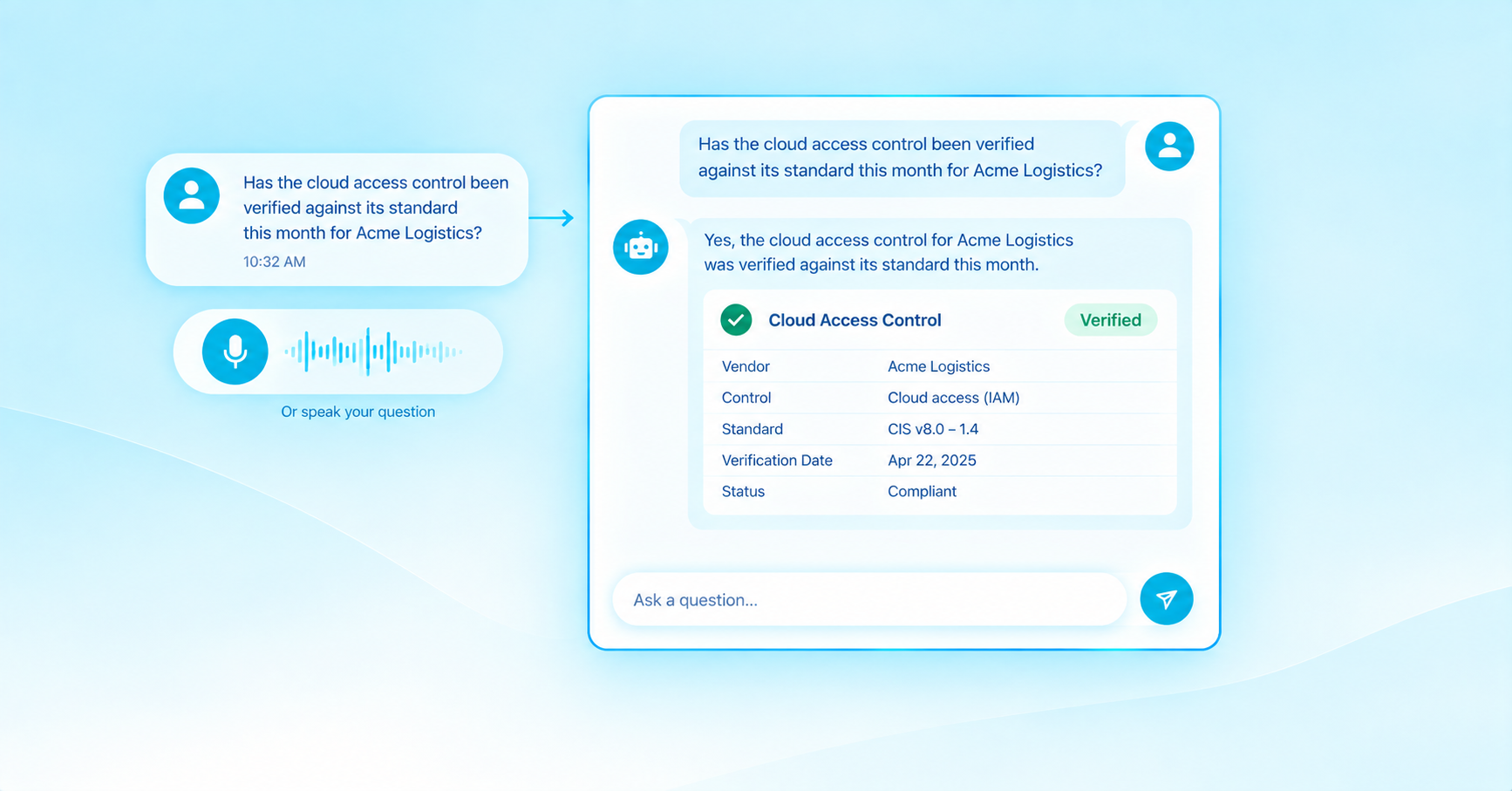
This is where the value goes beyond convenience. A policy document can describe an intended state indefinitely without anyone noticing it's stopped being accurate. A live check against actual configuration can't make that mistake, because it's reading what's there, not what was written down once and never revisited.
An internal audit team is reviewing consent practices for a product team that recently expanded into a new use case for customer data. Nobody flagged a formal review, because nothing about the expansion looked, on paper, like it touched compliance obligations.
The audit team asks the system to check whether that team's current data handling still matches its declared consent scope. The system compares the two directly and surfaces a mismatch: the new use case falls outside what customers originally consented to, something that would otherwise have surfaced only if an examiner happened to ask the right question during a formal audit.
The value here isn't that the system found something no human could have found. It's that finding it didn't require anyone to think to look. The question got asked casually, almost as a routine check, and the answer arrived before the gap became a finding instead of after.
None of this replaces a formal audit or an internal review cycle. What it changes is the condition a team is in when those reviews happen. Instead of spending the weeks before an audit reconstructing evidence, pulling data flow maps, confirming controls, checking whether a breach response plan was actually tested, a team asks the system for the current state of each item and gets records that were already accurate, because they'd been checked continuously rather than assembled under deadline pressure.
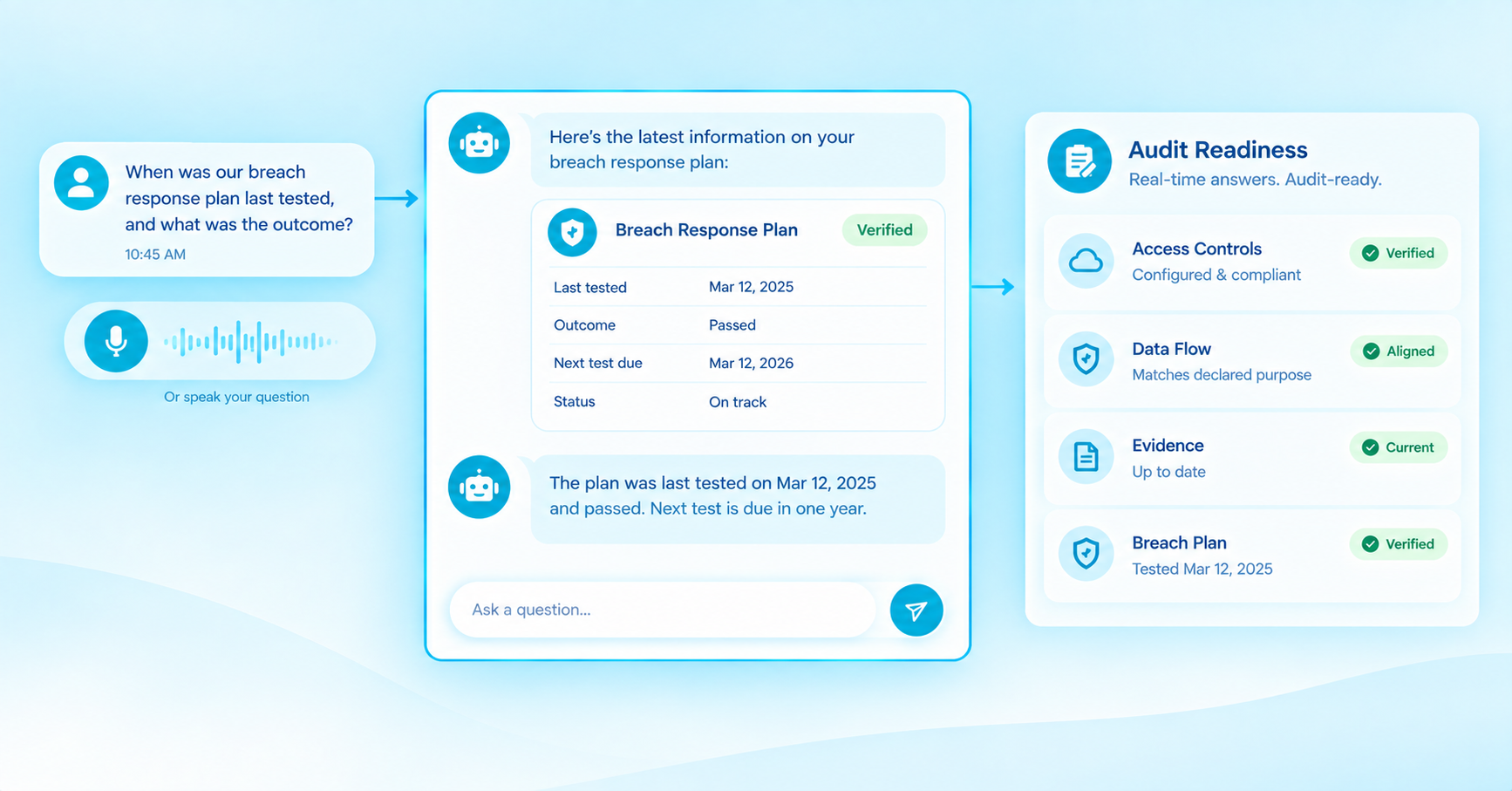
Breach readiness is a good example of where this distinction shows up clearly. A response plan that's never been tested isn't a compliance asset, regardless of how well it reads on paper. Asking the system when the plan was last tested, and what the outcome was, returns a timestamped record if the test happened, or an honest gap if it didn't, either of which is more useful before an audit than discovering the answer during one.
Internal compliance data carries a different kind of sensitivity than vendor data. A finding about a control gap or a consent mismatch can be more damaging if it surfaces to the wrong internal audience before it's remediated than if it stays contained to the people responsible for fixing it. The same role-based permissions that govern the dashboard apply exactly the same way here.
A person can ask about, or take action on, only the specific controls and records they were already authorized to see. Asking through conversation doesn't create a shortcut past that boundary, and it doesn't expose an unresolved gap more broadly just because the question came through chat instead of a report someone had to actively request.
We treat this as non-negotiable specifically because self-assessment data is often the most sensitive category in the platform. A faster way to surface a gap only holds up if it's also a way that keeps the gap visible to exactly the people who need to fix it, and no one else.