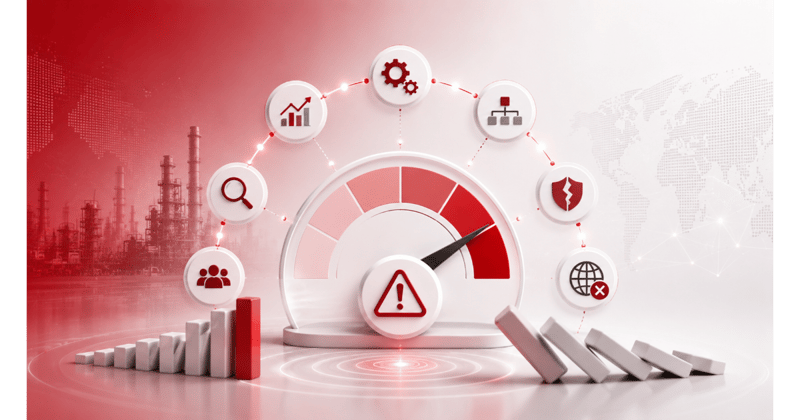
A key risk indicator that nobody acts on is just a number on a dashboard. The value of a KRI comes entirely from what happens the moment it crosses its threshold, and most programs spend far more time selecting which metrics to track than deciding what actually happens next when one breaches.
What Are Key Risk Indicators (KRIs)?
A key risk indicator is a metric that signals a change in the level of operational risk an organization is exposed to, giving an early warning before that risk turns into an actual loss event.
KRIs differ from key performance indicators in a specific way: a KPI measures how well something is being done, while a KRI measures the likelihood of something going wrong.
Setting Thresholds That Trigger Action
A KRI without a defined threshold is just data collection. The threshold is what turns a metric into an early warning system, and setting it requires a genuine tradeoff: too sensitive, and the threshold triggers so often that alerts get ignored; too loose, and it fails to catch a problem before it escalates into a loss event.
Effective thresholds get set in pairs with a defined response, not just a number. If a specific KRI crosses its threshold, a specific action needs to follow automatically, whether that is an escalation to a named owner, a triggered reassessment, or an interim control review. Without that pairing, a breached threshold just becomes another item in a queue that competes with everything else for someone's attention.
Vendor-Driven KRIs Most Programs Miss
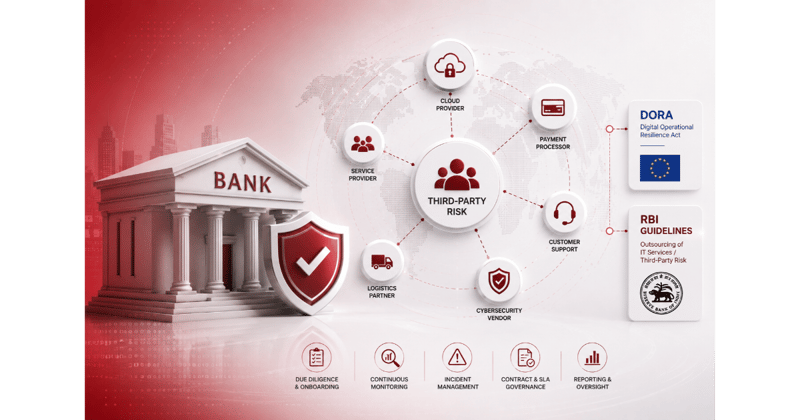
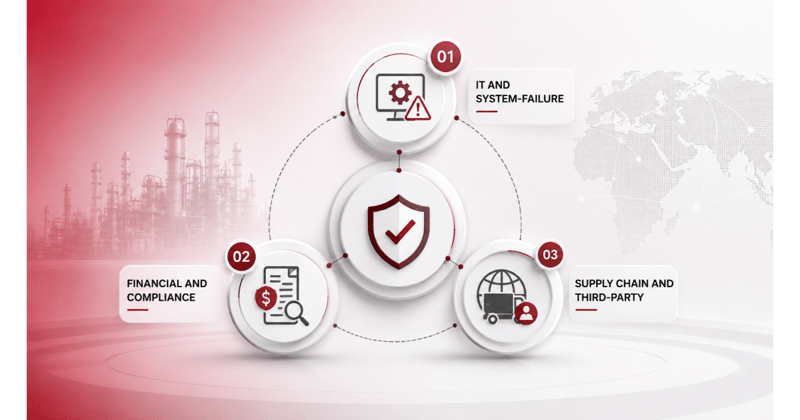
Operational risk programs tend to build KRIs around internal metrics first, financial ratios, system uptime, employee turnover, and add vendor-specific indicators later, if at all. That sequencing leaves a real gap, since vendor-driven operational risk has grown into one of the categories most likely to cause a material disruption. A few indicators worth tracking specifically for vendor and third-party exposure:
- SLA breach rate across critical vendors, tracked monthly rather than only at contract renewal
- Time between a monitoring alert and a remediation task being created, since a slow alert-to-task conversion undermines the value of continuous monitoring entirely
- Vendor incident frequency, even for incidents that did not cause a material disruption, since frequency itself is a leading indicator of a bigger failure ahead
- Aging of high-severity findings still open past their remediation deadline
None of these require exotic data sources. They come directly from the assessment and monitoring workflow most programs already run, just rarely get tracked as a defined KRI with its own threshold.
How ComplyScore® Turns KRI Breaches Into Owned Tasks
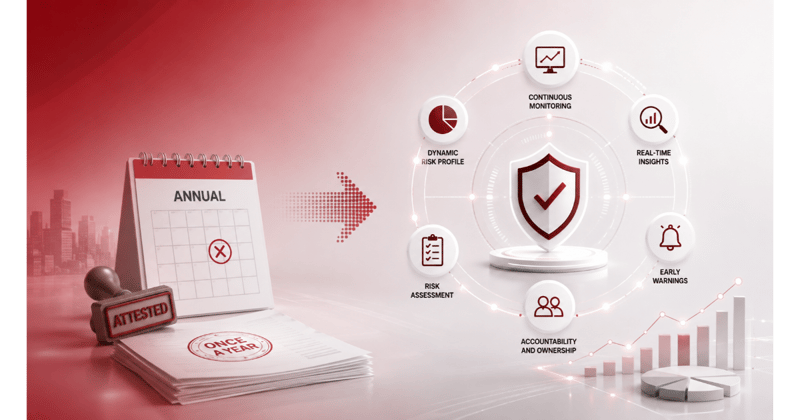
ComplyScore® categorizes monitoring alerts by severity automatically and tracks the time between an alert surfacing and a remediation task being created, giving risk teams a direct, ongoing measure of how fast signals convert into action. Executive dashboards show aging of open high-severity findings and SLA adherence trends across the vendor portfolio, so a KRI breach is visible the moment it happens rather than discovered at the next scheduled report.
Because monitoring, assessment, and remediation all run on the same operational risk management platform, a KRI threshold breach can trigger a remediation task automatically, closing the gap between an early warning signal and someone actually being accountable for acting on it.
See how ComplyScore® turns KRI breaches into owned tasks. Book a demo.






.webp?width=387&height=387&name=headless-tprm%20(1).webp)







































%20(1).jpg)