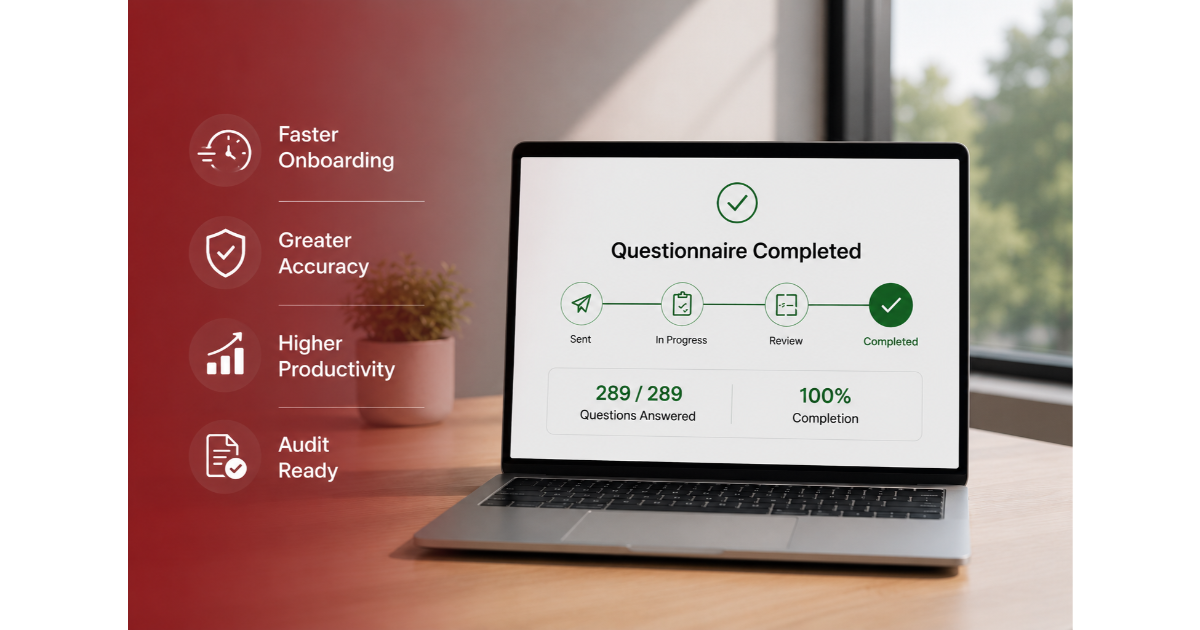
Vendor compliance is the ongoing work of making sure a vendor keeps meeting the contractual, regulatory, and certification obligations they agreed to at onboarding. It doesn't end at signing. A vendor can be fully compliant on day one and drift out of compliance a few months later without anyone noticing, unless someone is actually tracking it.
What counts as a compliance violation
Here are a few concrete examples:
- A certification like SOC 2 or ISO 27001 lapses and nobody renews it
- A vendor stops meeting a contractual data handling term buried on page twelve of the agreement
- A regulatory obligation, say a GDPR data processing requirement, quietly falls out of scope as the vendor's own processes change.
Here's a walkthrough of how this tends to play out:
A vendor's SOC 2 Type II certification expires mid-contract. Nobody flags it, because the original onboarding checklist only verified the certificate once, at signing. Eight months later, an auditor asks for current evidence, and there isn't any. The vendor was compliant when the relationship started. Nobody checked after that.
Where vendor compliance fits inside a broader risk program
Vendor compliance covers the specific rules a vendor agreed to follow. Vendor risk covers the exposure that vendor introduces to your business, even when they're following every rule perfectly. A vendor can be fully compliant on every contractual term and still represent a concentration risk if they hold too much of your critical infrastructure. Compliance monitoring feeds into a risk program as one input among several, not the whole picture on its own.
How is vendor compliance monitored?
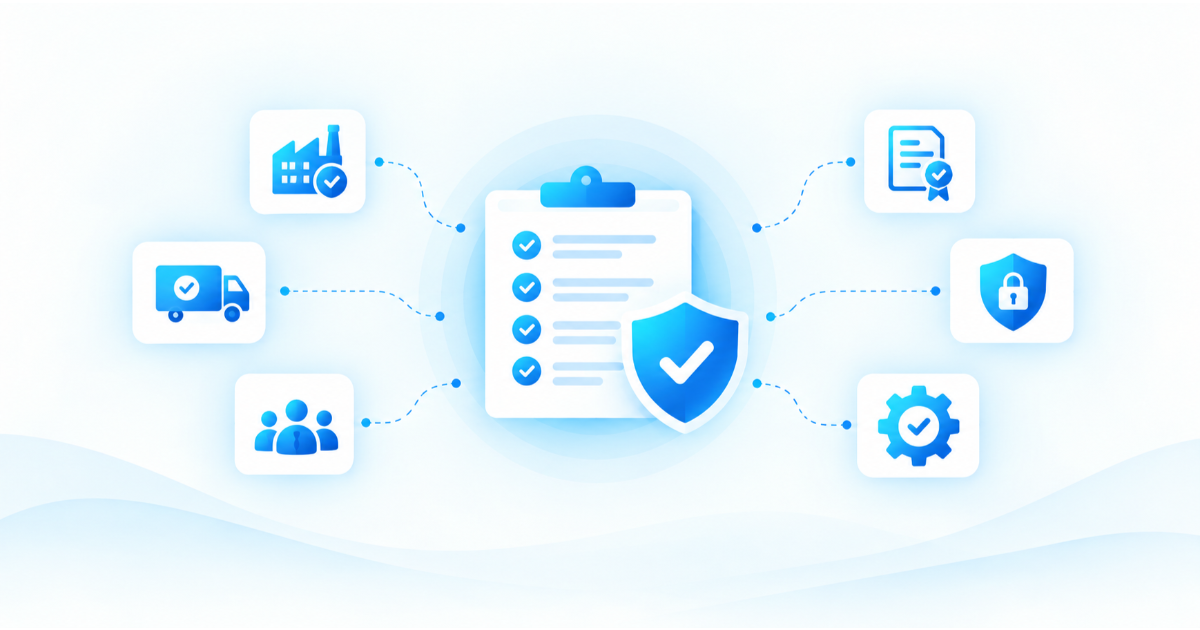
In practice, monitoring vendor compliance means a few recurring activities: verifying certifications and licenses on a schedule rather than once, checking contract adherence against agreed terms like SLA reporting and data handling clauses, collecting periodic attestations, and setting reminders ahead of recertification dates so nothing lapses quietly.
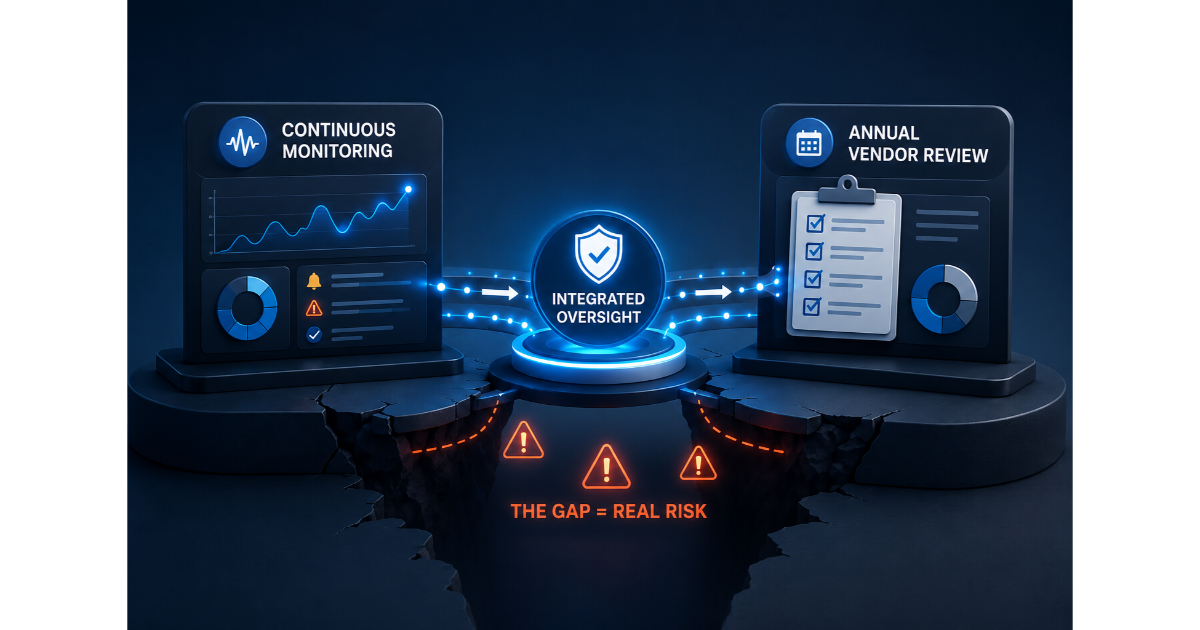
This is a narrower job than continuous risk monitoring, which tracks broader signals like breach news, financial instability, or leadership changes at a vendor. If you're looking for that side of the picture, continuous vendor risk monitoring covers it in depth. This piece stays specifically on the contractual and regulatory side.
Who owns this inside an organization?
Ownership usually splits three ways: procurement handles contract terms at signing, legal covers regulatory obligations, and the risk or compliance team owns ongoing tracking, certifications, and renewal schedules. Naming that owner explicitly, and writing down clear TPRM roles and responsibilities, matters more than the org chart itself, since the most common failure mode is everyone assuming someone else is watching.
What gaps let compliance slip through?
- Certifications checked once at onboarding and never revisited
- No named owner for ongoing compliance tracking
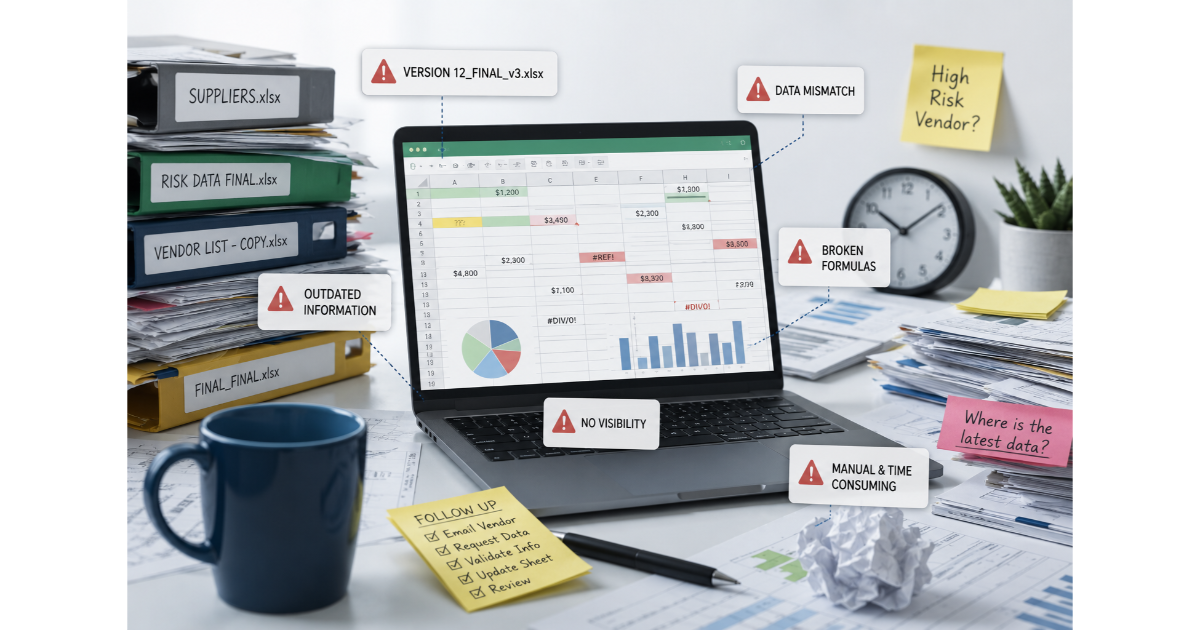
- Renewal dates tracked in a spreadsheet with no automated reminder
- Vendor self-attestation accepted without supporting evidence
Manually tracking dozens or hundreds of certification dates across a vendor portfolio is where most of these gaps start. Continuous compliance automation platforms like ComplyScore® flag expiring certifications and missed attestations automatically, so the check doesn't depend on someone remembering to open a spreadsheet on the right week. Get a demo today



.png?width=200&height=45&name=ComplyScore%20Logo%20Transparent%20(1).png)


.webp?width=869&height=597&name=image%20(5).webp)


-1.png?width=486&height=315&name=IDC%20Banner%20(1)-1.png)



.png?width=300&height=175&name=Rectangle%2034624433%20(2).png)


.webp?width=1280&height=720&name=Medtech%20Breakthrough%20Award%20Winner%20(1).webp)












%20(1).jpg)