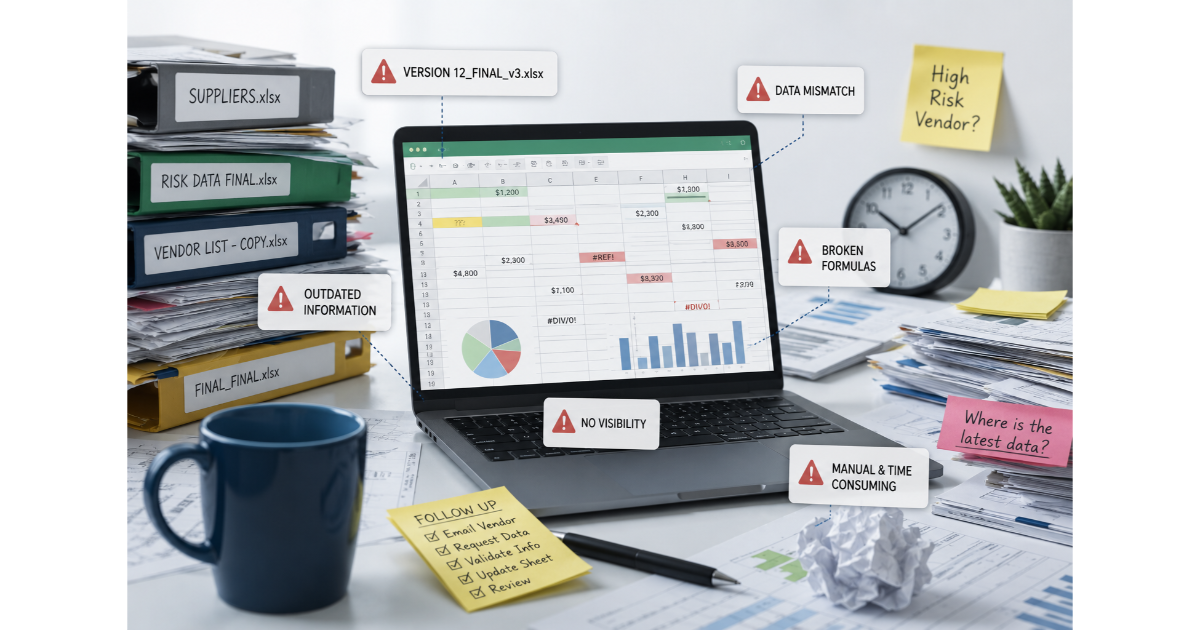
Growth is what typically pushes a supplier risk program past its limits, more often than any single bad supplier does. A process that runs smoothly at a hundred suppliers can quietly stop keeping pace somewhere past a few hundred, not because anyone got careless, but because the process was built for a smaller, simpler version of the business than the one it's now supporting.
What Is a Supplier Risk Management Program?
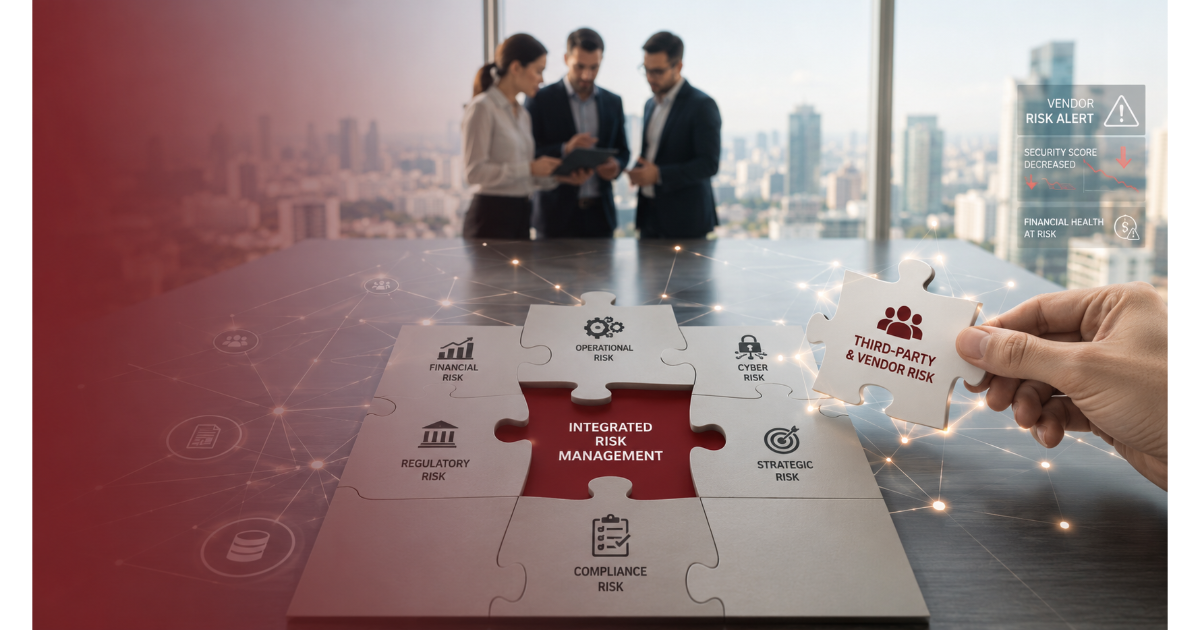
A supplier risk management program is the set of policies, processes, and tools an organization uses to identify, assess, monitor, and respond to risk across its supplier base. It's the operating structure behind individual assessments and scorecards, not a single document or tool.
Core Components
Policy and risk appetite
A documented statement of what level of risk the organization is willing to accept, and where the lines sit for escalation or rejection. Without this written down somewhere, every decision becomes a fresh judgment call, made differently depending on who's making it and how much pressure they're under that week.
Tiering methodology
A consistent way to classify suppliers by criticality and risk, so oversight effort tracks actual exposure instead of being spread evenly across suppliers who don't carry equal stakes.
Assessment cadence
A defined schedule for how often each tier gets reassessed, along with event-based triggers that override the schedule when something material changes, rather than waiting for the next scheduled date regardless of what's happened in between.
Monitoring
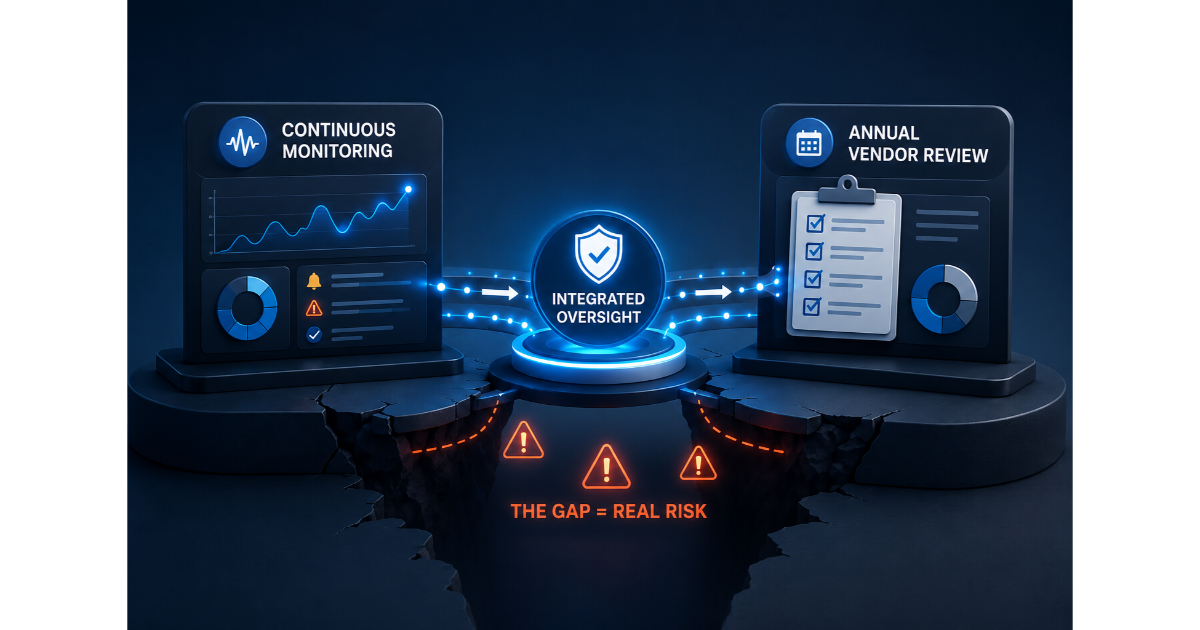
Ongoing tracking between formal assessments, so risk signals surface as they happen rather than sitting undiscovered until the next review comes around months later.
Remediation workflow
A clear path for what happens when a supplier fails a check: who gets notified, what the timeline looks like, and what the next step is if the issue isn't resolved within that window.
Reporting
Visibility for leadership into overall supplier risk posture, not just individual supplier scores, so the program can demonstrate its value in aggregate rather than only being noticed after a close call.
Roles and Ownership
Procurement typically owns the supplier relationship and day-to-day performance data. Risk or compliance typically owns the scoring methodology and governance. Programs that keep these responsibilities clearly split, working from one shared system rather than two separate ones, tend to run more smoothly than programs where ownership is left ambiguous.
Ambiguous ownership is a common, quiet failure mode. When no one is explicitly responsible for a specific piece of the process, like triggering a reassessment after a supplier disclosure, it tends to fall through rather than getting picked up by whoever happens to notice.
A Pattern Worth Watching For: Growth Outpacing the Process
A recurring pattern shows up across companies that outgrow their supplier program: growth in vendor count, new regions, or new business lines outpaces the team's capacity to keep assessments current. It's rarely a single bad decision. It's usually a slow drift, where the process quietly falls a little further behind the business it's meant to support, month after month, until the gap is significant.
The early signs are practical and easy to miss individually: assessments running consistently late, a growing backlog of overdue reassessments, and risk data that lives in more than one place depending on who you ask. None of these look urgent on their own. Together, they describe a program that's already behind.
Maturity Stages: From Ad Hoc to Continuous
Most programs move through recognizable stages. The first is ad hoc and reactive, where assessments happen mainly after something has already gone wrong. The second is standardized but manual, where a real supplier risk assessment tool exists on paper but depends heavily on individual effort to keep running. The third is automated and continuous, where monitoring and reassessment run on triggers rather than a fixed calendar.
Knowing which stage a program is actually in matters, because it sets a realistic next step. A program still in the ad hoc stage isn't ready to jump straight to full automation, and trying to skip stages tends to produce a system no one fully trusts or uses consistently.
How ComplyScore® Operationalizes a Supplier Risk Program
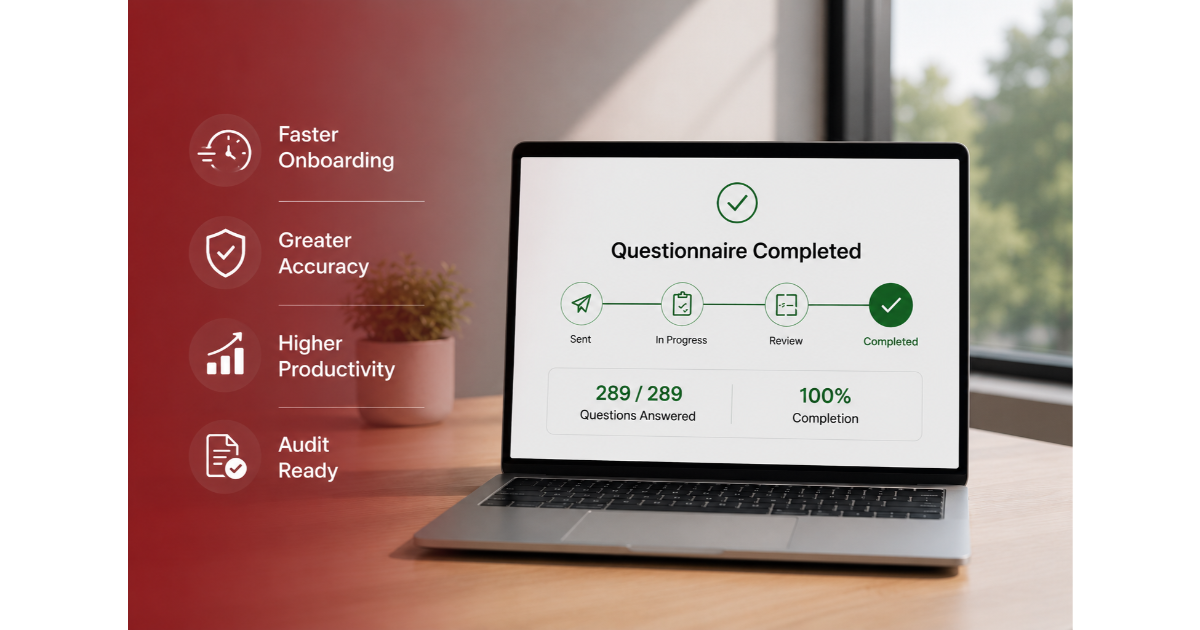
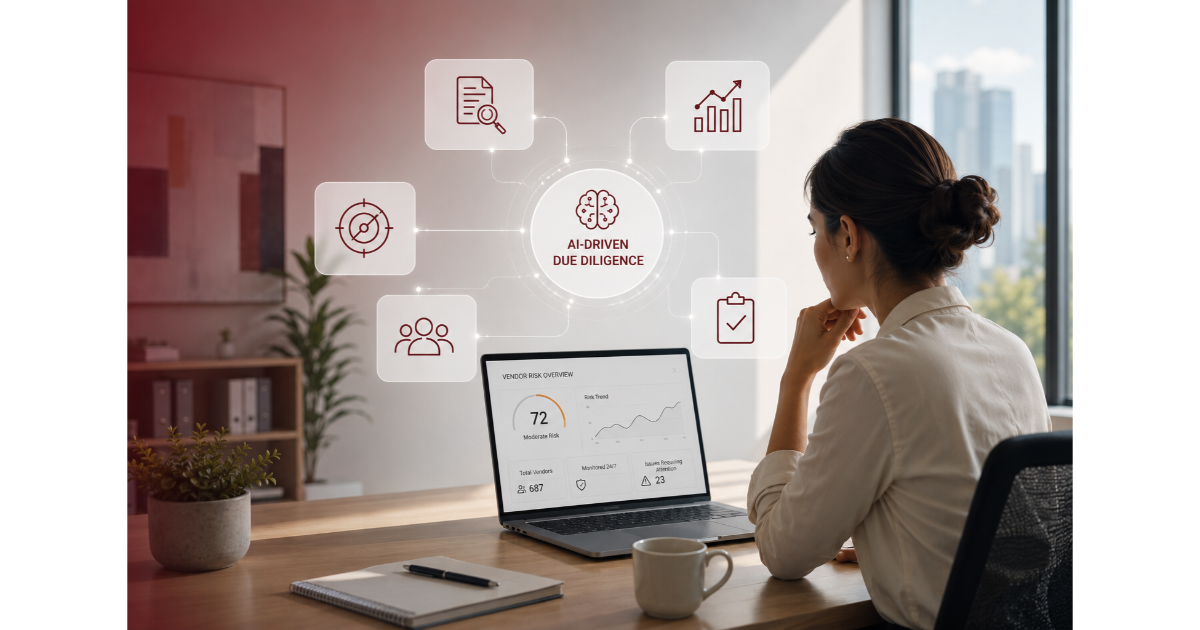
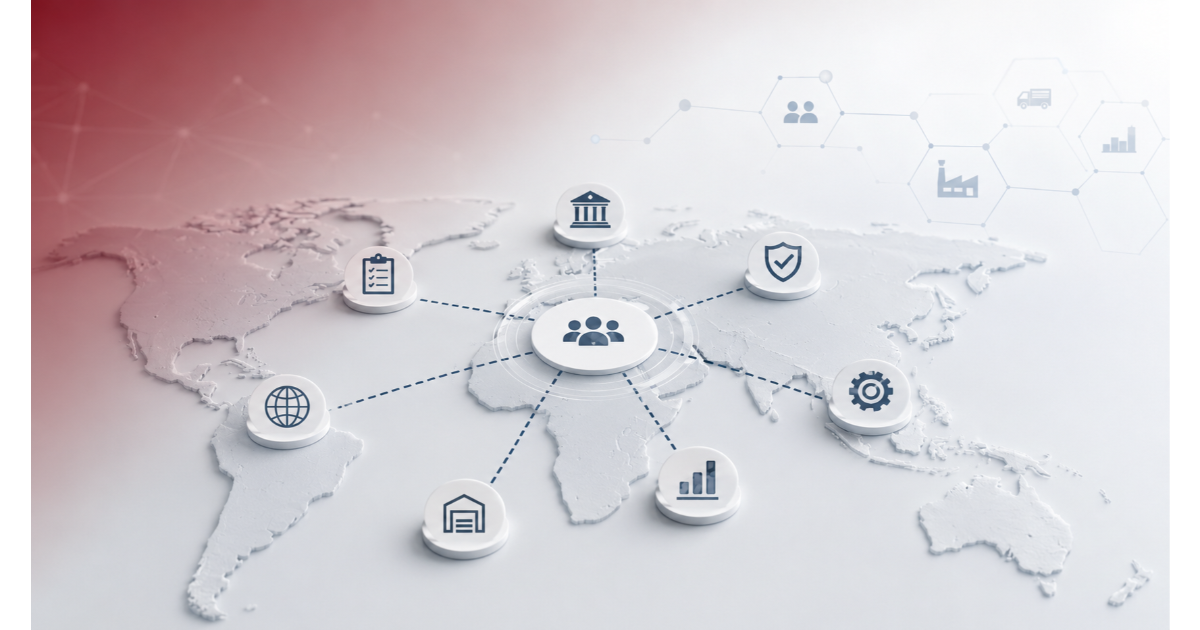
ComplyScore®'s supplier risk management platform gives procurement and risk teams a shared system for tiering, assessment, monitoring, and remediation, so the program runs on consistent rules rather than depending on any one person's memory of how things are supposed to work.
Manual effort across the vendor lifecycle typically drops by seventy to eighty percent once a program moves onto the platform, and assessment costs fall by forty to sixty percent through more targeted, criticality-based intelligence rather than applying the same depth of review to every supplier regardless of stakes. (Atlas Systems proprietary data.)
Book a demo to see tiering, monitoring, and remediation running in one system.



.png?width=200&height=45&name=ComplyScore%20Logo%20Transparent%20(1).png)


.webp?width=869&height=597&name=image%20(5).webp)


-1.png?width=486&height=315&name=IDC%20Banner%20(1)-1.png)



.png?width=300&height=175&name=Rectangle%2034624433%20(2).png)


.webp?width=1280&height=720&name=Medtech%20Breakthrough%20Award%20Winner%20(1).webp)












%20(1).jpg)